Exploring 6 Geometric Floral Mandala Patterns and Their Versatile Applications
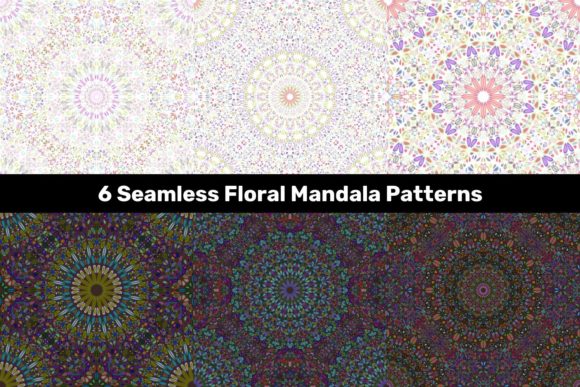
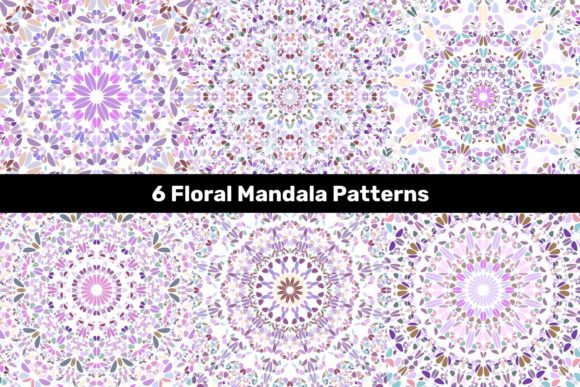
In the world of design, mandalas have long been a symbol of balance, harmony, and spiritual significance. Among the many variations of mandalas, geometric floral mandala patterns stand out for their intricate beauty and versatility. These designs combine the elegance of floral motifs with the precision of geometric shapes, creating visually stunning art that can be used in various creative fields. This article explores six unique geometric floral mandala patterns, their features, and how they can be applied in modern contexts.
What Are Geometric Floral Mandala Patterns?
Geometric floral mandalas are a fusion of two distinct artistic elements: geometry and florals. They typically feature symmetrical arrangements of shapes such as circles, triangles, and polygons, interwoven with floral elements like petals, leaves, and vines. The result is a design that is both mathematically precise and aesthetically pleasing.
These patterns have roots in ancient traditions, where mandalas were used in meditation and spiritual practices. Today, they have evolved into a popular design trend across multiple industries, including graphic design, fashion, interior decoration, and digital art.
The Significance of Geometric Floral Mandalas
Geometric floral mandalas are more than just decorative. They serve several purposes:
- Artistic Expression: Artists use these patterns to create unique pieces that reflect their personal style and creativity.
- Symbolic Meaning: The symmetry and repetition in mandalas often represent balance, unity, and the interconnectedness of life.
- Practical Application: Designers incorporate these patterns into logos, textiles, and digital interfaces for visual appeal and brand identity.
Understanding the significance of these patterns helps appreciate their value beyond aesthetics.
6 Unique Geometric Floral Mandala Patterns
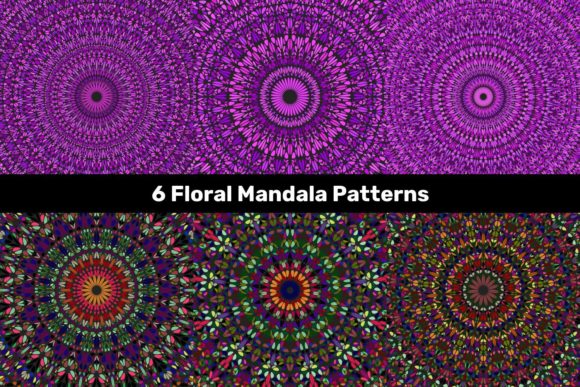
Below are six distinct geometric floral mandala patterns, each offering a unique visual experience and application potential.
1. Spiral Petal Mandala
This pattern features a central point from which petals spiral outward in a symmetrical fashion. The geometric structure ensures balance, while the floral elements add organic movement. It's ideal for backgrounds in digital art or textile designs.
2. Hexagonal Bloom
Based on hexagonal shapes, this mandala combines sharp angles with soft floral outlines. Its structured yet flowing appearance makes it suitable for branding and packaging design.
3. Interlocking Circles
Here, circular elements interlock to form a complex web of floral motifs. The repeating pattern creates a sense of rhythm and continuity, making it perfect for wallpaper or wall art.
4. Triangular Fractal
This pattern uses triangular shapes to create a fractal-like effect. The combination of geometric precision and floral details results in a design that is both modern and timeless.
5. Star and Vine Mandala
Featuring star-shaped elements intertwined with vine-like patterns, this design offers a dynamic contrast between angular and flowing forms. It works well in fashion and home decor.
6. Radiating Petal Grid
This mandala consists of a grid of petal-like shapes radiating from a central point. Its structured layout makes it ideal for use in infographics, illustrations, and digital graphics.
What’s Included in the Package?
The package contains a variety of high-quality files to suit different design needs:
- 6 JPG Files (5000x5000 pixels): These high-resolution images are perfect for print and digital use, ensuring clarity at any size.
- 6 Vector .EPS Files: Ideal for scalable designs, these files allow for easy editing and resizing without loss of quality.
- 6 Vector .AI Files: Designed for Adobe Illustrator, these files offer advanced customization options for professional designers.
Whether you're a beginner or an experienced designer, this package provides the tools needed to bring your creative vision to life.
How to Use Geometric Floral Mandalas in Modern Contexts
Geometric floral mandalas are incredibly versatile. Here are some practical ways to incorporate them into daily life and work:
1. Graphic Design
Designers can use these patterns as background elements, logos, or illustrations. Their symmetry and detail make them ideal for creating visually engaging content.
2. Interior Decor
Mandalas can be printed on canvas, wallpaper, or fabric to add a touch of elegance and mindfulness to any space. They are especially popular in yoga studios, meditation rooms, and living areas.
3. Fashion and Textiles
Fashion designers often use mandala patterns in clothing, accessories, and home goods. The blend of geometry and florals adds a unique aesthetic that stands out in the market.
4. Digital Art and Animation
Artists and animators can integrate these patterns into digital artwork, character designs, or animated sequences. Their complexity allows for endless creative possibilities.
5. Education and Mindfulness
Teachers and educators use mandalas as tools for relaxation, focus, and creativity. Drawing or coloring these patterns can help students develop patience and attention to detail.
Common Misconceptions About Mandalas
Despite their popularity, there are several misconceptions about mandalas. One common belief is that they are only for spiritual or meditative purposes. However, mandalas have a wide range of applications beyond that.
Another misunderstanding is that they are difficult to create. While some mandalas require advanced skills, many can be designed using simple tools and techniques. With the right resources, anyone can explore the beauty of mandalas.
Conclusion
Geometric floral mandala patterns offer a beautiful blend of artistry and structure. Whether you're looking to enhance your creative projects, decorate your space, or explore new design ideas, these patterns provide endless inspiration. With the right tools and understanding, you can unlock the full potential of these intricate designs and apply them in meaningful ways.